

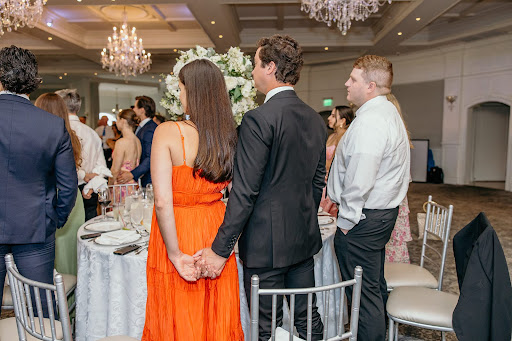
One of the most exciting and overwhelming parts of planning a wedding is creating the guest list. It’s a task filled with anticipation—you picture loved ones watching you say “I do,” celebrating your love, and dancing all night. But finalizing the list can get complicated quickly. Who makes the cut? Who gets a plus-one? How do you handle coworkers, distant relatives, and family expectations? Creating a guest list that feels inclusive and manageable involves balancing your budget, venue capacity, and personal priorities. With the right approach, it doesn’t have to be stressful. Here’s how to make guest list decisions confidently and keep your focus on the people who matter most.
Start With the Big Picture
Before getting into the nitty-gritty of who gets a plus-one and who doesn’t, start by mapping out your ideal wedding guest list. Create three categories:
- Must-Haves: Immediate family, chosen family, and close friends
- Nice-to-Haves: Extended relatives, colleagues, or friends you’ve grown apart from
- If There’s Room: Acquaintances or people you feel obligated to invite
Once you have a general idea of your headcount, match it against your venue’s capacity. From there, you can start trimming or expanding as needed. Being realistic from the start will make later decisions much easier.
Understanding the Plus-One Rule
When it comes to managing your wedding guest list, one of the biggest questions couples face is: Who should get a plus-one? Here are a few guidelines to help you make fair, thoughtful decisions:
People in Long-Term Relationships
Anyone in a long-term, committed relationship should get a plus-one—even if you’ve never met their partner. Whether they’re married, engaged, or have been together for a significant amount of time, extending an invitation to both parties is respectful and inclusive.
Members of the Wedding Party
It’s a nice gesture to give your wedding party members a plus-one, especially if they’ll be attending pre-wedding events, such as a rehearsal dinner. After all, they’re dedicating time, energy, and support to your big day—why not let them bring someone to enjoy it with?
Guests Traveling Solo or From Out of Town
If someone is traveling a long distance to attend your wedding, consider offering them the option to bring a guest. Even if they’re not in a relationship, having someone familiar to sit with and talk to throughout the day makes their experience more enjoyable.
Single Guests Who Know No One
If you’re inviting someone who doesn’t know many other people on your wedding guest list, offering a plus-one can help them feel more comfortable and included. This can be especially helpful if the event is more formal or if there’s assigned seating.

When It’s Okay to Say “No” to a Plus-One
While it’s generous to allow guests to bring someone, your wedding guest list doesn’t have to include every possible plus-one. Here’s when it’s perfectly acceptable to say no:
- If the guest is casually dating someone and you’ve never heard them mentioned before
- If your venue or budget can’t accommodate extra people
- If the guest will have other friends or family members attending and won’t be alone
When in doubt, follow the golden rule: be consistent. Avoid giving plus-ones to only a few single guests while excluding others. It can lead to hurt feelings and awkward conversations.
Family Pressure and the Wedding Guest List
Let’s face it—when it comes to the wedding guest list, everyone has an opinion. Your parents may want to invite their coworkers or old friends. Your partner’s cousin wants to bring someone they have just started dating. It’s okay to set boundaries and stick to them.
If your families are contributing financially to the wedding, you might agree to allocate a certain number of seats to each side. Otherwise, make it clear that your guest list reflects the size, style, and vision you’ve planned together as a couple.
Clear Communication
One of the easiest ways to avoid guest list misunderstandings is to be clear on the invitation. Address the envelope with exactly who is invited:
- If a guest is not receiving a plus-one, write only their name.
- If they are, include “and Guest” or the partner’s name if known.
Avoid vague language, as your wording sets expectations. If anyone asks directly about bringing a guest, be honest but polite. Most people will understand and appreciate your transparency.
Track Your RSVPs Carefully
Once those invites go out, stay on top of your RSVPs. Use a spreadsheet, planning software, or a wedding website to monitor responses and ensure guests understand whether a plus-one was included. This will also help as you finalize your seating chart, meal counts, and any necessary adjustments closer to the big day.
Before You Tackle the Wedding Guest List…
…You and your partner need to choose a venue.
Located on the scenic waterfront, Clarks Landing Yacht Club is more than just a stunning backdrop for your big day. Our expert wedding coordinators are seasoned in helping couples navigate their guest lists. With our all-inclusive wedding packages and trusted vendor recommendations, we take care of the details so you can focus on celebrating with your favorite people. Schedule a tour today and discover why so many couples choose Clarks Landing Yacht Club to host the most meaningful day of their lives.
Wedding Guest List FAQs
Should I invite coworkers to my wedding?
Only if you’re close with them and want them there, there’s no obligation to invite your entire office.
How many people should I invite to my wedding?
That depends on your venue and budget. Start with your must-have guests, then add from there.
How do I tell someone they can’t bring a plus-one?
Be clear on the invitation and polite if asked directly. Most people will understand.
Do I need to give every guest a plus-one?
Not necessarily. Use fair and consistent criteria such as relationship status or travel circumstances.
What if my parents want to invite people I don’t know?
Set expectations early and consider offering them a set number of guest spots to use as they wish.